Tag: shipment tracking

  • Why Is My Tracking Number Not Updating? 7 Reasons 

    Why Is My Tracking Number Not Updating? 7 Reasons 

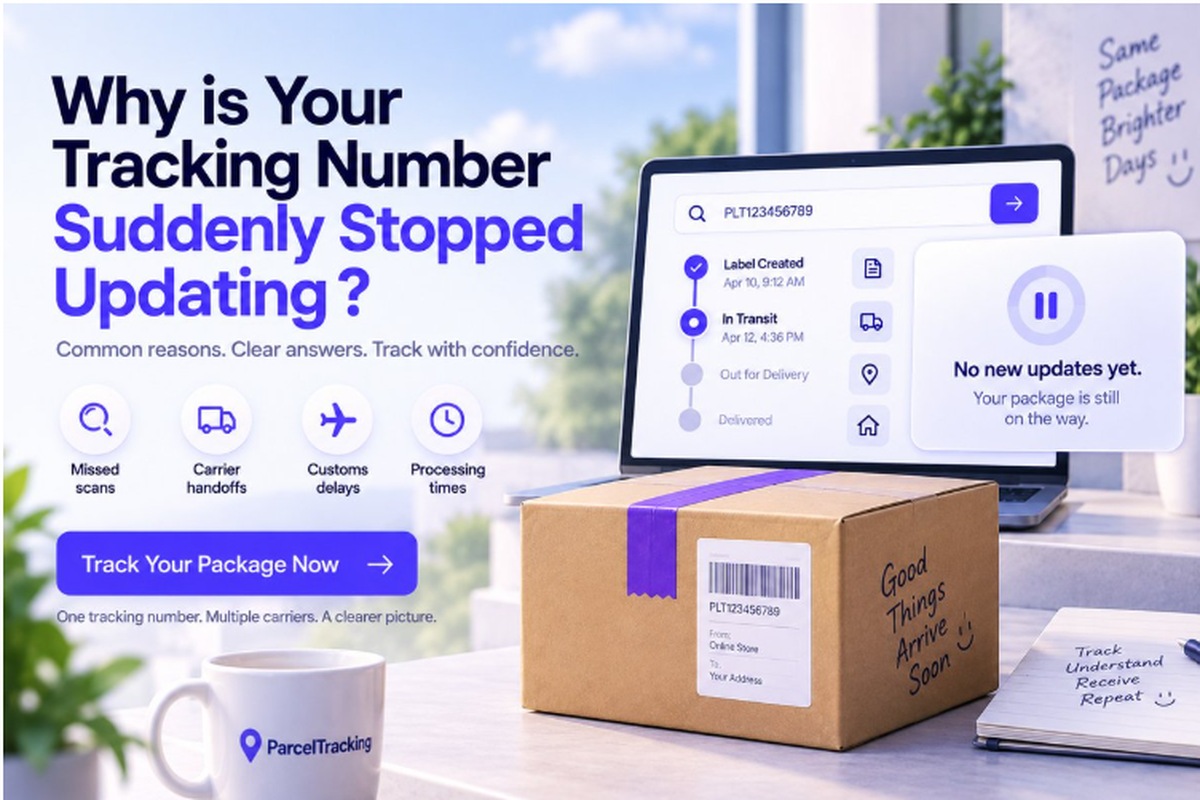
    The tracking page has looked exactly the same for days, and your tracking number is still not updating. After checking it several times, it is easy to wonder whether your package has gone missing.

    In many cases, a tracking number not updating does not mean the package is lost. Your parcel may still be moving between scan points, waiting for its first scan, going through customs, or being transferred from one carrier to another.

    Tracking information only changes when a new shipment event is received by the tracking system. That means a package can continue moving even when the tracking page appears unchanged.

    This guide explains why tracking numbers stop updating, how long a tracking gap can be normal, what you should check, and when it is time to contact the seller or carrier.

    Why Is My Tracking Number Not Updating? 

    Tracking numbers rely on physical scans at specific checkpoints, so the status changes only when a new scan happens. A parcel can genuinely move for hours or days while the tracking screen shows nothing new.

    • Long stretches between scan points on the route
    • A carrier handoff that has not synced yet
    • The parcel has not reached its first scan point since the label was created

    The rest of this guide explains each cause and how long a quiet tracking status is genuinely normal before action.

    For international shipments, check import duties when customs-related delays may be part of the hold-up. 

    How Does a Tracking Number Actually Go Quiet?

    A tracking number usually goes quiet at one of two moments: before the first scan, or during transit between scan points.

    1. No Scan Yet Since the Label Was Created

    A shipping label can exist before the parcel has physically entered the carrier’s network. The tracking number usually stays inactive until the parcel receives its first physical scan.

    Think of these as two separate events:

    Label created → Parcel handed over → First scan

    A seller may create the label well before pickup, so the tracking page can show little or nothing.

    The gap can happen because:

    • Labels are prepared early: Sellers may batch-print labels before the scheduled pickup.
    • Pickup and scanning are separate: The first scan can happen a day or more after label creation.

    Until that first scan appears, the tracking system has no new movement event to display. That is completely normal during the first 24 to 48 hours.

    1. The Package Is Moving, Just Not Being Scanned

    A package can continue travelling while its tracking status stays unchanged between physical scan points.

    Common stretches without a visible update include:

    • Truck transit: A parcel travelling between distant cities may not be scanned along the route.
    • Air transit: Packages can move between airports without a new public tracking event.
    • Sea transit: Longer transport legs can leave tracking quiet until the next processing point.

    Example:
    A domestic ground shipment between distant cities can show the same status for one or two days. The parcel may still be moving normally toward its next scan location.

    That normal gap is different from an “Exception” status, which indicates a specific transit or delivery issue.

    Why Does My Tracking Number Say “Not Found”? 

    “Not found” usually means the carrier has not recognized the tracking number yet, rather than it being invalid or nonexistent.

    Two situations commonly cause this message:

    What is happeningWhy the message appears
    Recently created labelThe seller created the label, but its details have not synced with the carrier’s tracking system yet.
    Carrier handoffThe parcel moved to another carrier for the next leg, but that carrier’s system does not recognize the original tracking details yet.

    Before assuming the shipment has a problem, check these three points:

    What to checkWhat it tells you
    Order timingOrders created less than 48 hours ago may simply be waiting for their first scan or system sync.
    Tracking numberRecheck the number carefully and remove any extra spaces or missing characters.
    International routeCross-border shipments may change carriers during transit, creating temporary tracking gaps between systems. 

    A tracking number can therefore appear “not found” even when the parcel is already moving. The message becomes more meaningful when the shipment remains unrecognized beyond the expected initial processing period.

    A tool that auto-detects the carrier and checks multiple tracking sources can reduce this specific false-alarm scenario. 

    Common Reasons Tracking Numbers Get Stuck

    A small set of recurring issues explains most stalled tracking numbers across carriers and shipping routes worldwide.

    CauseWhat’s actually happening
    High shipping volume (peak season)Heavy parcel volumes can slow processing, scanning, and updates at busy facilities.
    Customs clearanceCross-border parcels may wait while customs reviews documents, duties, or shipment contents.
    Carrier handoff / interline transferTracking can pause while one carrier transfers the parcel and shipment data to another.
    Damaged or unreadable barcodeA damaged barcode may prevent the parcel from being scanned at the next checkpoint.
    Weather disruptionSevere weather can delay transport and leave the latest tracking scan unchanged.
    System sync delay between carrier and tracking pageThe carrier may have newer data that has not reached the tracking page yet.

    For shipments where import charges may be part of the delay, the import duty calculator can help estimate applicable duties. 

    Most of these issues resolve on their own within a few days as the parcel reaches another scan point. The exception is a status that explicitly says “Exception” or reports a failed delivery attempt, which signals a different, more urgent issue covered next.

    How Long Should You Wait Before Acting on Tracking?

    As a general rule, wait 48 hours for domestic shipments and 5 to 7 days internationally before treating a stall as unusual.

    Use the elapsed time since shipping or the last visible scan as your guide. The longer the silence lasts, the more useful direct follow-up becomes.

    1. 0 to 48 hours: This is usually completely normal, especially when the label was recently created or the parcel is travelling between distant scan points. Give the shipment time to reach another checkpoint.
    2. 3 to 5 days: This can still be common for international shipments or high-volume periods, but double-check that the tracking number was entered correctly. Also confirm the latest status has not changed elsewhere.
    3. 5 to 10 days with zero movement: It is reasonable to contact the seller and confirm that the parcel was actually handed to the carrier. Ask whether the shipment left their facility as expected.
    4. Beyond 10 days, or an explicit “Exception” status: Contact the carrier directly, or the seller for marketplace orders, with the tracking number ready. Have your order details available too.

    These windows are general practical guidance, since exact tracking and escalation policies differ by carrier and country.

    What Should You Do If Tracking Still Isn’t Updating?

    Once you are past the normal waiting window, follow a clear order for who to contact and what information to prepare. This helps avoid escalating a routine tracking gap before checking the basics.

    1. Recheck the tracking number and carrier: Check for typos, missing characters, or extra spaces, then confirm which carrier handles the parcel. A mismatched carrier selection can create a false alarm.
    2. Contact the seller first for marketplace orders: Ask whether the parcel was physically handed to the carrier and when. The seller can confirm whether the shipment was actually dispatched from their facility.
    3. Contact the carrier after shipping is confirmed: Provide the tracking number and explain that no new movement appears. The carrier can check its internal system for information unavailable through public tracking pages.

    ParcelTracking can auto-detect the carrier and combine available updates from multiple carriers into one unified timeline. Paste your tracking number into the tracker to double-check its current status before opening a support ticket.

    How to Avoid Losing Track of a Stalled Shipment?

    The easiest way to stay on top of a stalled shipment is getting notified when something changes instead of checking manually.

    • Save the tracking number: Keep it in a tracking dashboard rather than letting it disappear inside a busy inbox.
    • Choose useful notifications: Set alerts to chatty, balanced, or quiet levels, depending on how often you want updates.
    • Share parcel visibility: Use household sharing when multiple people need to follow the same shipment and receive relevant alerts.

    A unified timeline brings your shipment updates into one place, so you can see the latest status without checking several carrier pages. Adjustable notification levels help reduce unnecessary alerts while still showing meaningful tracking changes.

    For order confirmations arriving by email, sync tracking numbers from Gmail to keep them easier to follow.

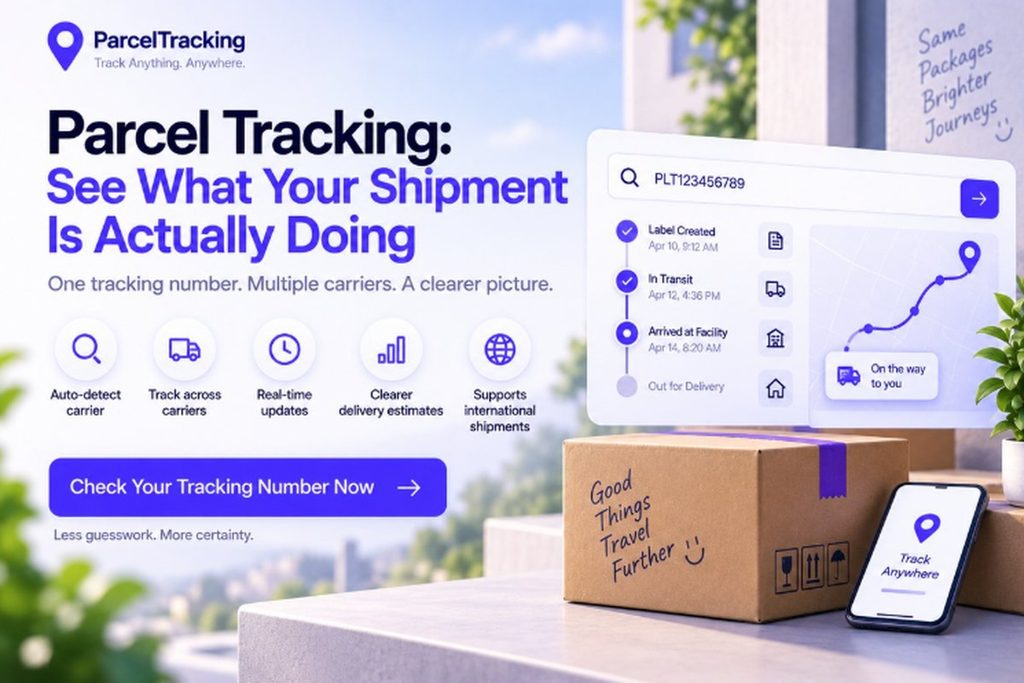
    Parcel Tracking: See What Your Shipment Is Actually Doing
    Parcel Tracking: See What Your Shipment Is Actually Doing

    A tracking page can look frozen even when your package is still moving. The problem is often a missing scan, a carrier handoff, or tracking data arriving later than the physical movement.

    Parcel Tracking brings the pieces together in one place.

    • Auto-detect the carrier: Paste your tracking number and let Parcel Tracking identify the carrier automatically.
    • Follow one unified timeline: See tracking updates from multiple carriers in a continuous status timeline, including handoffs between legs.
    • Check what a status means: Use the tracking status decoder tool when a message is unclear.
    • Find the carrier automatically: The tracking number detector helps identify which carrier handles the shipment.
    • Check common delays: Use the customs delay checker when an international shipment appears stuck in customs.

    You do not need to keep refreshing different carrier pages or guess which system has the latest update. Start with one tracking number and see what the available shipment data shows.

    Check your tracking number now →

    Final Thoughts

    A quiet tracking number usually means a gap between scans, not a lost package, especially during handoffs or long transit legs.
    The situation becomes worth escalating when the shipment stays unchanged beyond the practical waiting window or shows an explicit exception.

    Before assuming the worst, check the tracking number using a tool that pulls carrier data and detects carrier handoffs automatically.
    That can reveal whether the package has moved under another carrier or simply has not generated a new public scan.

    Check your tracking number now.

    Frequently Asked Questions

    1. Does no tracking information mean my package is lost?

    No, having no tracking information does not automatically mean your package is lost, because it may still be waiting for its first scan, moving between checkpoints, passing through a carrier handoff, or affected by a delay between tracking systems before another update appears.

    1. How long can a tracking number go without updating before I should worry?

    A tracking number can often remain unchanged for about 48 hours on domestic shipments and five to seven days internationally, but longer gaps deserve closer attention, particularly when there is no movement, the expected delivery window has passed, or the status shows an explicit exception.

    1. Why does my tracking number say “not found”?

    A “not found” message usually means the carrier has not recognized the tracking number yet, which can happen shortly after label creation or during a carrier handoff, and ParcelTracking can auto-detect the carrier and check multiple tracking sources to reduce this false alarm.

    1. Can a package be delivered without the tracking ever updating?

    Yes, a package can sometimes be delivered even when its public tracking history does not show every movement, because scans can be missed, delayed between facilities, or processed without an immediate public update before the final delivery event appears.

    1. Why did my tracking stop updating after it crossed into another country?

    Tracking can stop updating after an international border crossing because another carrier may handle the next delivery leg, the original carrier may receive partner data slowly, or customs processing may delay new events appearing on the tracking page during the transition.

    1. Is a stuck tracking status the same as a lost package?

    No, a stuck tracking status does not mean a package is lost, because shipments can remain unchanged while travelling between scan points or awaiting processing, and a unified timeline can help show movement when different carriers handle separate parts of the journey.

    1. What should I do if my tracking number was never scanned at all?

    Start by checking that the tracking number is correct and confirming the seller actually handed the parcel to the carrier, because a newly created label may not have received its first physical scan and the carrier can investigate once possession is confirmed.

    1. Can a damaged label cause tracking to stop updating?

    Yes, a damaged or unreadable barcode can prevent a parcel from being scanned at a later checkpoint, allowing the package to keep moving while its public tracking history stays unchanged until another readable scan or tracking event is recorded.
  • How Package Tracking Actually Works, From Scan to Doorstep

    How Package Tracking Actually Works, From Scan to Doorstep

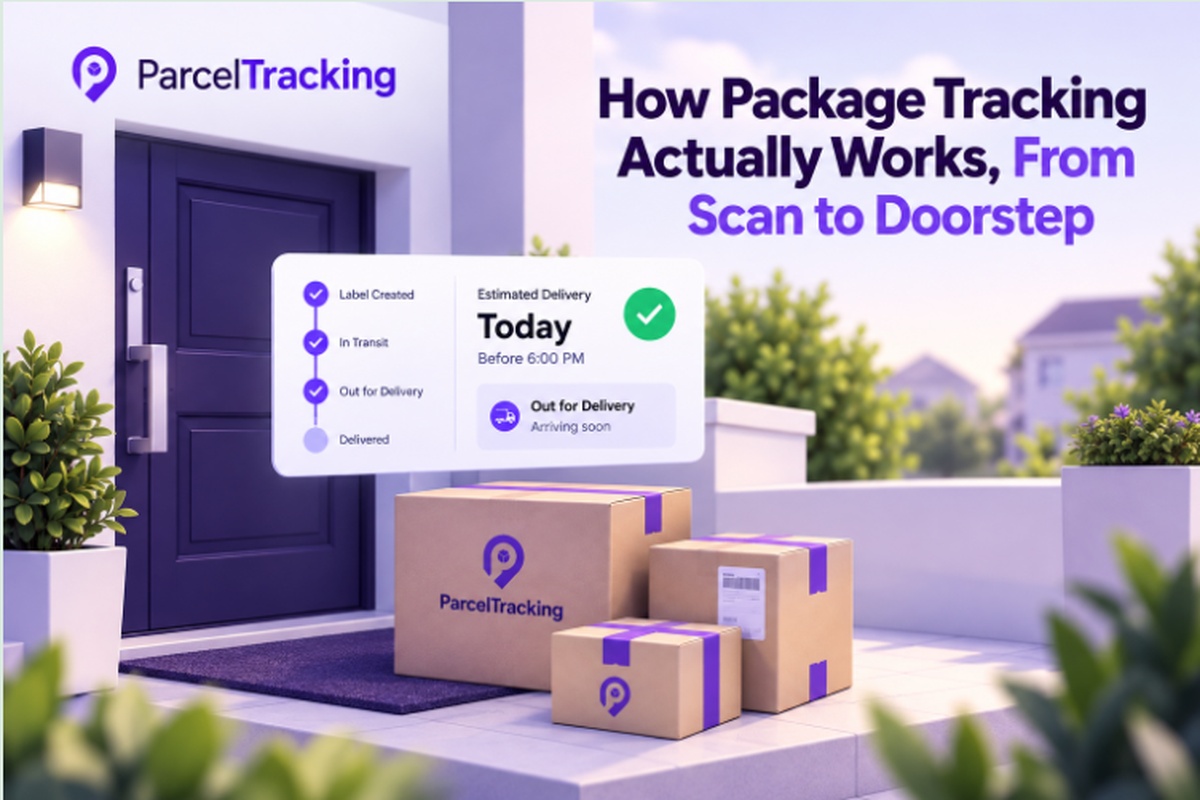
    Package tracking works by collecting scans and delivery updates as your parcel moves through different stops. But how does it work when your tracking number has not changed in three days?

    You see “in transit” again, with no useful clue about where the package actually is. Maybe the last scan was yesterday, or worse, several days ago.

    This guide shows what happens from the first label scan to the final delivery. You’ll learn what common tracking statuses really mean, including why some updates arrive late. You’ll also see how one live timeline can bring carrier updates together, instead of making you check different websites.

    First, let’s look at what your tracking updates are actually telling you.

    What Is Package Tracking, Exactly?

    Package tracking is the process of recording a parcel’s progress so you can see its latest location, status, delivery estimate, and carrier movement.

    It gives you visibility after a shipment leaves the sender and moves through sorting facilities, transport hubs, and delivery routes. Instead of wondering where your parcel is, you can check its latest recorded progress.

    In practice, package tracking tells you:

    • Latest location or last recorded scan point
    • Current delivery status
    • Estimated delivery window
    • Carrier handling the current leg

    These details come from tracking events recorded as the parcel moves through the delivery network.

    How Does Package Tracking Work Behind the Scenes?

    Package tracking starts when a carrier assigns a tracking number and shipping label. Each scan adds a new event, which reaches a tracking system and appears online.

    1. The Shipping Label and Tracking Number

    A tracking number gives your parcel a unique identity throughout its journey.

    The barcode or QR code lets scanners identify the shipment quickly at handling points. The label also carries the routing information needed to move it correctly.

    Think of the label as a passport for the parcel.

    A typical shipping label shows:

    • Tracking number: Unique shipment identifier
    • Routing details: Origin and destination
    • Service level: Shipping type or delivery service
    1. Scan Points Along the Route

    A scan point is where the carrier records a parcel event during its journey.

    A typical journey looks like this:

    1. Pickup
    The courier collects the parcel and records its first movement.

    2. Origin sorting facility
    The parcel enters the carrier’s network and gets sorted for transport.

    3. Transit hub
    The parcel moves through a regional or long-distance transport hub.

    4. Destination facility
    The parcel reaches a facility serving the delivery area.

    5. Out for delivery
    The parcel is assigned for final delivery to the recipient.

    Keep in mind: Scan frequency varies by carrier, route, facility, and service tier.

    1. How Scan Data Reaches Your Screen?

    The physical scan creates an event in the carrier’s tracking system.

    The process is usually:

    Scan → Carrier system → Website or app → Tracking update

    A carrier can display its own tracking data directly on its website or app. Third-party tracking tools can pull the same information through an API or other data feed.

    Why do updates appear late?

    There can be a short delay between the physical scan and the update appearing on your screen.

    That means your parcel can already be moving while the tracking page still shows the previous event.

    What Do the Different Tracking Statuses Actually Mean?

    Carriers use a small set of recurring tracking statuses, although the exact wording can differ slightly between them.

    StatusWhat it actually means
    Label Created / Info ReceivedThe shipment details exist, but the carrier may not have received the parcel yet.
    Picked UpThe carrier has collected the parcel and recorded its first physical movement.
    In TransitThe parcel is moving through the carrier’s network toward its destination.
    Arrived at FacilityThe parcel has reached a sorting or delivery facility for its next step.
    Out for DeliveryThe parcel has left the local facility and is with the courier for delivery.
    DeliveredThe carrier has recorded the parcel as delivered to the destination.
    Exception / DelaySomething has interrupted normal movement, such as a routing, weather, customs, or handling issue.
    • Exact status wording varies by carrier, but the underlying meaning usually stays consistent across tracking systems.
      • Exception is the status worth paying attention to because it signals an actual problem rather than normal movement.

    Confused by a status message? See what your tracking status actually means 

    Is Package Tracking Really “Live,” or Just Scan-Based?

    Most package tracking is not continuously live. It is scan-based, meaning updates appear when a physical scan records a new event.

    Your tracking page usually shows recorded events, not your parcel’s continuous location. Between two scans, the parcel can keep moving while the screen shows the previous event.

    Scan-Based vs. Live/GPS-Based Tracking

    Scan-based trackingLive/GPS-based tracking
    Updates when the parcel reaches a checkpointUpdates the delivery vehicle’s position continuously
    May look unchanged for hours between scansShows frequent position changes during tracked movement
    Common across the wider shipment journeyUsed mainly for final-mile delivery and courier dispatch

    Why can a parcel look stuck?

    • The parcel may already be moving even when the tracking page shows no new event.
    • A long road or line-haul journey can produce no scan until the parcel reaches its next facility. This is why a stale status does not automatically mean the shipment is lost.
      • For longer gaps and missing updates, see the separate guide on tracking numbers that stop updating.
    • A unified tracking view brings the freshest available scan from each carrier and shipment leg into one timeline.
      • New carrier data appears as soon as it reaches the tracking system.
    • It can also show a predicted arrival window with a confidence score, rather than one static delivery estimate.

    Why Does Tracking Information Sometimes Lag or Go Quiet?

    Tracking gaps are almost always caused by time between physical scans, not a lost or mishandled parcel.

    The parcel can keep moving while your tracking page waits for the next recorded event.

    Common reasons include:

    • Long-haul transit between distant facilities
    • Handoff between carriers during international or last-mile delivery
    • Customs clearance before the next movement
    • High-volume periods creating scan backlogs

    These gaps are especially common when shipments cross multiple networks or travel longer distances between facilities.

    A silent tracking page also differs from an explicit delay status, so the wording matters.

    Note: As a rule of thumb, wait 24 to 48 hours before assuming something is genuinely wrong. then check the exact status wording because “Exception” signals a problem, unlike simple silence.

    How Do Multiple Carriers Share One Tracking Number?

    A parcel can move through several carrier networks, especially internationally, and its tracking number may change between systems.

    1. One parcel, several carrier systems

    The origin carrier may hand the parcel to a line-haul or customs partner. That partner can then pass it to a destination carrier for last-mile delivery.

    The handoff usually looks like:

    Origin carrier → Line-haul or customs partner → Destination carrier

    Each carrier may create its own internal reference number while handling the same physical parcel. Systems then match those records so the shipment can continue through the journey.

    1. A simple three-leg example

    1. Origin carrier
    Accepts the parcel and records its initial tracking events.

    2. International transport partner
    Moves the parcel across borders and links the shipment record.

    3. Destination carrier
    Receives the parcel and handles final-mile delivery.

    3. Why can one number stop working temporarily?

    A carrier’s website may only recognize tracking numbers from its own network. Once the parcel changes hands, the original number may not appear there.

    That is why one carrier can show “not found” even while the parcel is genuinely moving through another network.

    Not sure which carrier owns the number? Identify the carrier from your tracking number before you start tracking. 

    What Technology Powers Modern Package Tracking?

    Modern package tracking relies on barcode and QR scans, carrier databases, APIs, data feeds, and GPS for some final-mile vehicles.

    These technologies work together to turn physical package movements into tracking events you can see online. Each layer handles a different part of identifying, recording, transferring, or displaying shipment information.

    The main technologies behind package tracking are:

    • Barcodes and QR codes: They encode the tracking number for fast, accurate scanning at each checkpoint.
    • Carrier databases: They store every scan event linked to that tracking number as a timestamped history.
    • APIs and data feeds: They let third-party tools automatically retrieve tracking events from multiple carrier systems.
    • GPS and telematics: Some couriers use them during final-mile delivery to show a moving vehicle position.

    GPS-based tracking usually covers the delivery vehicle rather than the parcel throughout its entire journey.

    Why does this matter when you track across carriers?

    A multi-carrier tracking tool can pull data from many feeds at once. It then normalizes different status terms, so “In Transit” has a consistent meaning across carriers.

    How Can You Track a Package Without Checking Five Different Websites?

    Instead of checking each carrier separately, a multi-carrier tracker brings every parcel leg into one place automatically.

    How does the tracking workflow work?

    1. Paste your tracking number
      You enter the tracking number you already received from the sender or retailer.
    2. The carrier is detected automatically
      The tracker identifies the carrier from the number format, so you do not choose one manually.
    3. Tracking data is gathered
      The system pulls available tracking events from the carrier handling your shipment.
    4. Updates appear in one timeline
      Different carrier events are brought together into a single running shipment history.
    5. Your arrival estimate is updated
      The tracker provides a predicted delivery window with a confidence score.

    What does this solve?

    • Multiple carriers: Follow one parcel across every carrier involved.
    • Carrier selection: Paste the number without searching through carrier lists.
    • Unclear ETAs: See a predicted arrival window with a confidence score.

    You do not need to create an account or select the carrier to start tracking. Just paste your tracking number and view the available shipment updates.

    Ready to check your shipment? Track your package using the tracking number you already have.

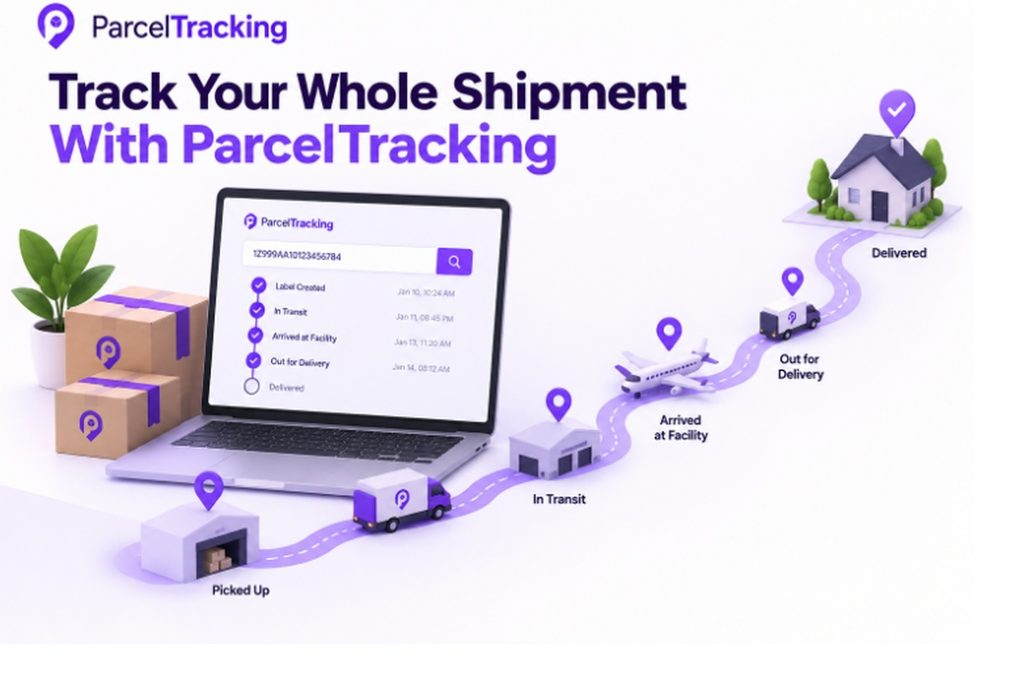
    Track Your Whole Shipment With ParcelTracking 

    Shipping label with tracking number barcode and routing details

    ParcelTracking brings tracking updates from different carriers into one timeline, so you can follow the journey without switching sites.

    It helps when you need to:

    • Track across carriers: Follow a parcel when the route changes hands.
    • Identify the carrier: Paste the number and let the tracker detect its carrier automatically.
    • Understand confusing statuses: Use the tracking status decoder for plain-English explanations.
    • Check possible customs delays: Use the customs delay checker when international tracking goes quiet.

    How it works:
    Paste your tracking number → Carrier detected → Updates gathered → One timeline

    You can start tracking without creating an account or selecting a carrier first.

    Track your package now →

    Final Thoughts

    Package tracking becomes easier to understand once you know updates reflect recorded events, not constant movement. A unified timeline gives you a clearer view when those events come from different carriers and shipment legs.

    Instead of opening several carrier websites, start with the tracking number you already have. Paste it into one tracker and let the carrier be identified automatically. Then follow the shipment as new tracking events appear across its journey.

    You can also see a predicted arrival window with a confidence score, giving more context than one fixed date. There is no need to figure out which carrier currently handles the parcel before tracking it.

    Track your package now and see the latest available journey updates in one place.

    Frequently Asked Questions

    1. What does “in transit” mean on a tracking number?

    “In transit” means the carrier has recorded your package as moving through its network toward the destination.

    1. How accurate is package tracking?

    Package tracking accurately reflects recorded carrier events, while delivery estimates can change because conditions may affect the shipment.

    1. Why does my tracking status not update right away?

    Tracking may remain unchanged because the package has not reached another scan point or the latest event has not appeared online.

    1. How long does it take for tracking to update after shipping?

    Tracking usually updates after the carrier receives and scans the package, but timing varies by carrier, service, and route.

    1. Can you track a package without a tracking number?

    You generally need a tracking number or another shipment identifier to retrieve a package’s tracking information.

    1. What is the difference between a tracking number and a reference number?

    A tracking number identifies a shipment for tracking, while a reference number usually identifies an order, invoice, or internal shipment record.

    1. Do all carriers use the same tracking technology?

    Carriers use different systems, although many rely on barcode scanning, electronic records, APIs, data feeds, and GPS for selected operations.

    1. What does “out for delivery” mean?

    “Out for delivery” means the package has entered its final delivery stage and is typically with the courier.